1-Outlet Flat Wire Extension Cord
Free shipping on orders over $25.00 - You're $25.00 away!
$0.00 USD
Free Shipping on Orders $25+
SKU:ADW-36X-31F01-16B0
In stock and Ready to Ship
Unlock Exclusive B2B Pricing. Sign Up Today

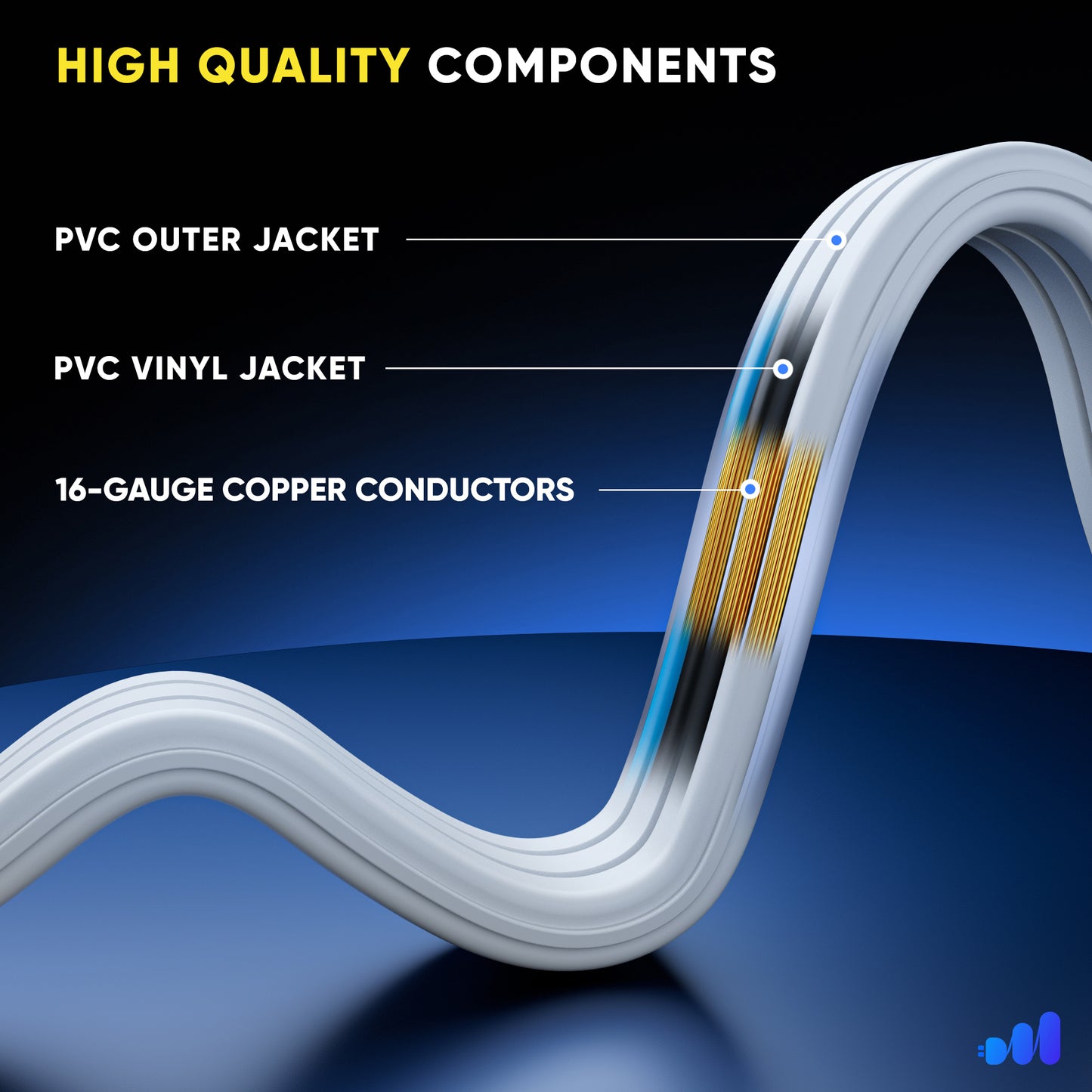
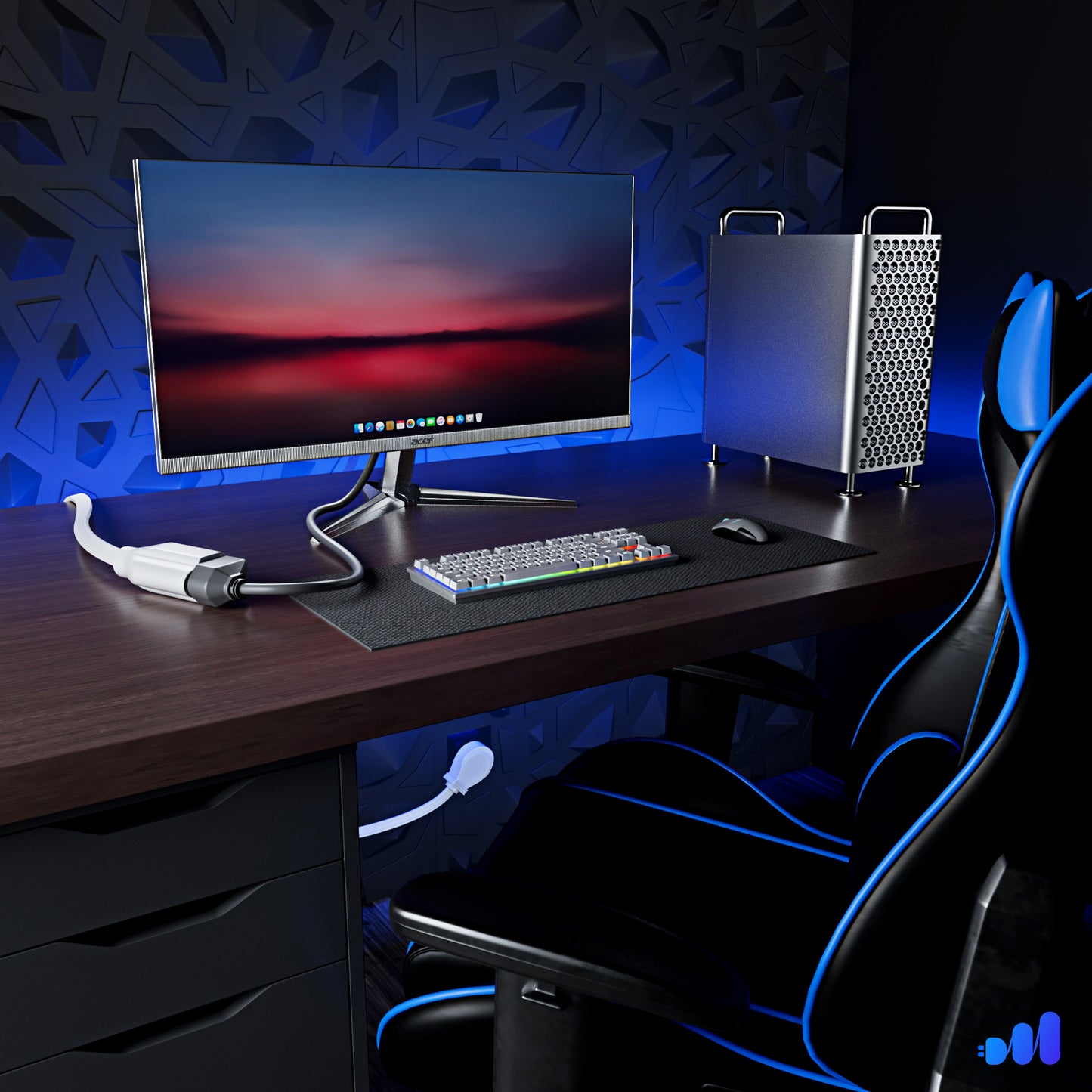
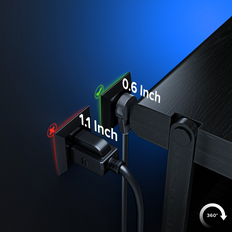
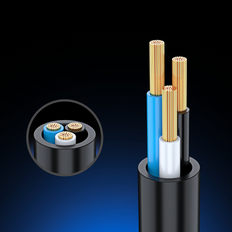
Crafted with a durable PVC jacket and 16 AWG copper conductors, this extension cord delivers reliability and safety. Its sleek black finish, flat wire profile, and angled plug design allow for seamless integration into any home or office space without clutter.
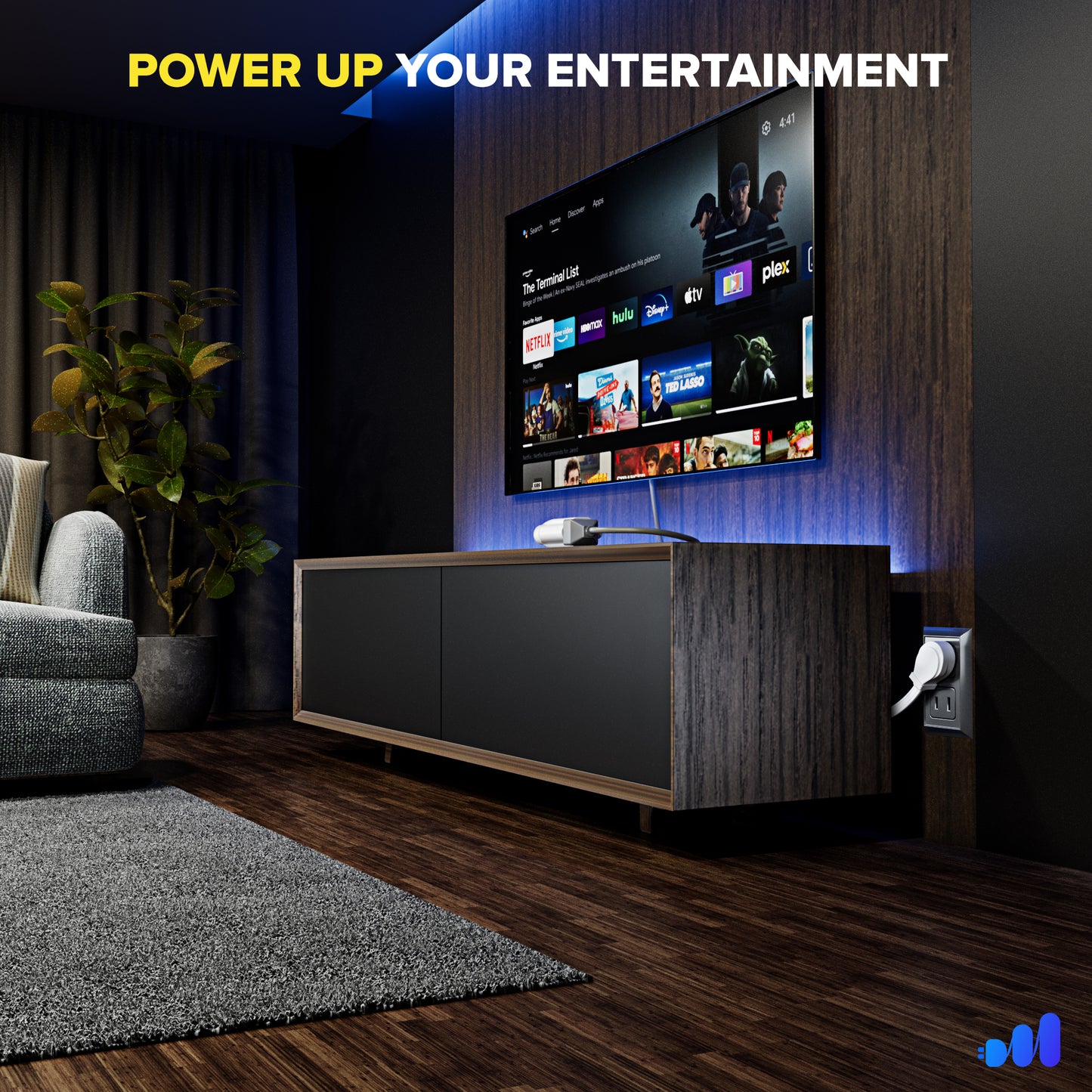
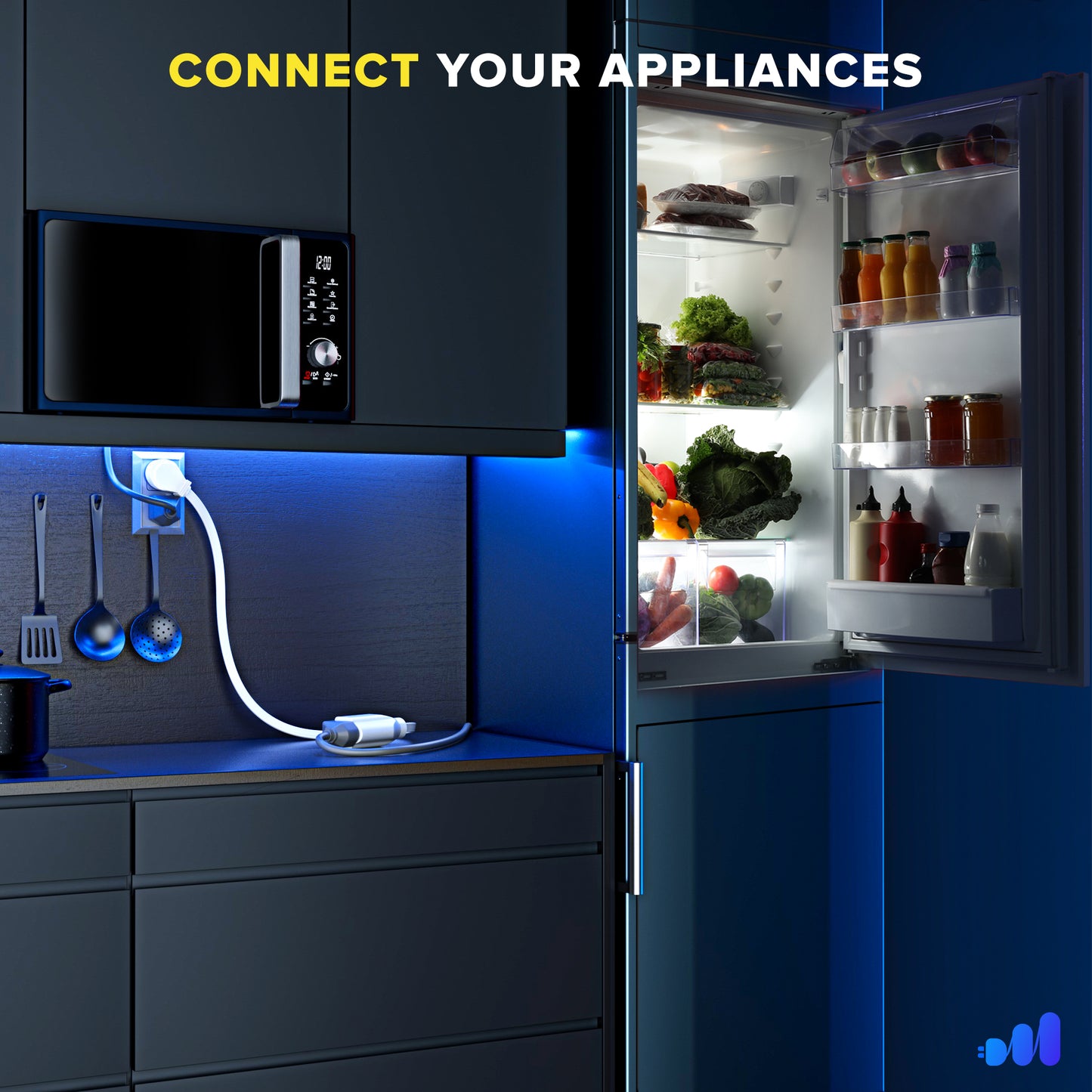
Whether for home, office, or dorm, Maximm’s extension cord offers a space-saving solution that adapts to every need. Its premium build, angled plug, and flat wire design ensure neat cable management while maintaining durability and safety for multiple devices.


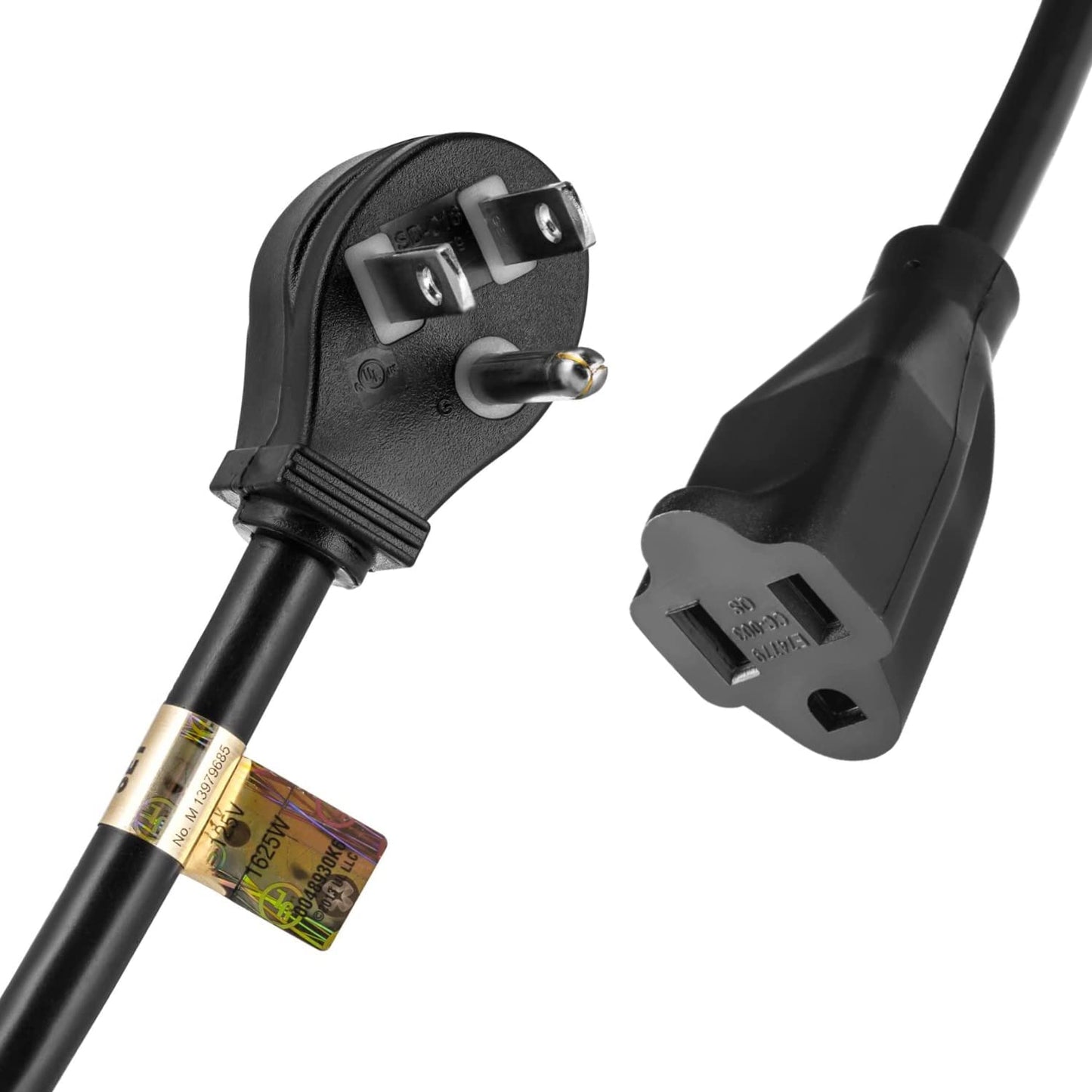
This model has one outlet at the cord end (a single NEMA 5-15R receptacle). It’s designed to extend reach with a low-profile plug, not to add multiple outlets.
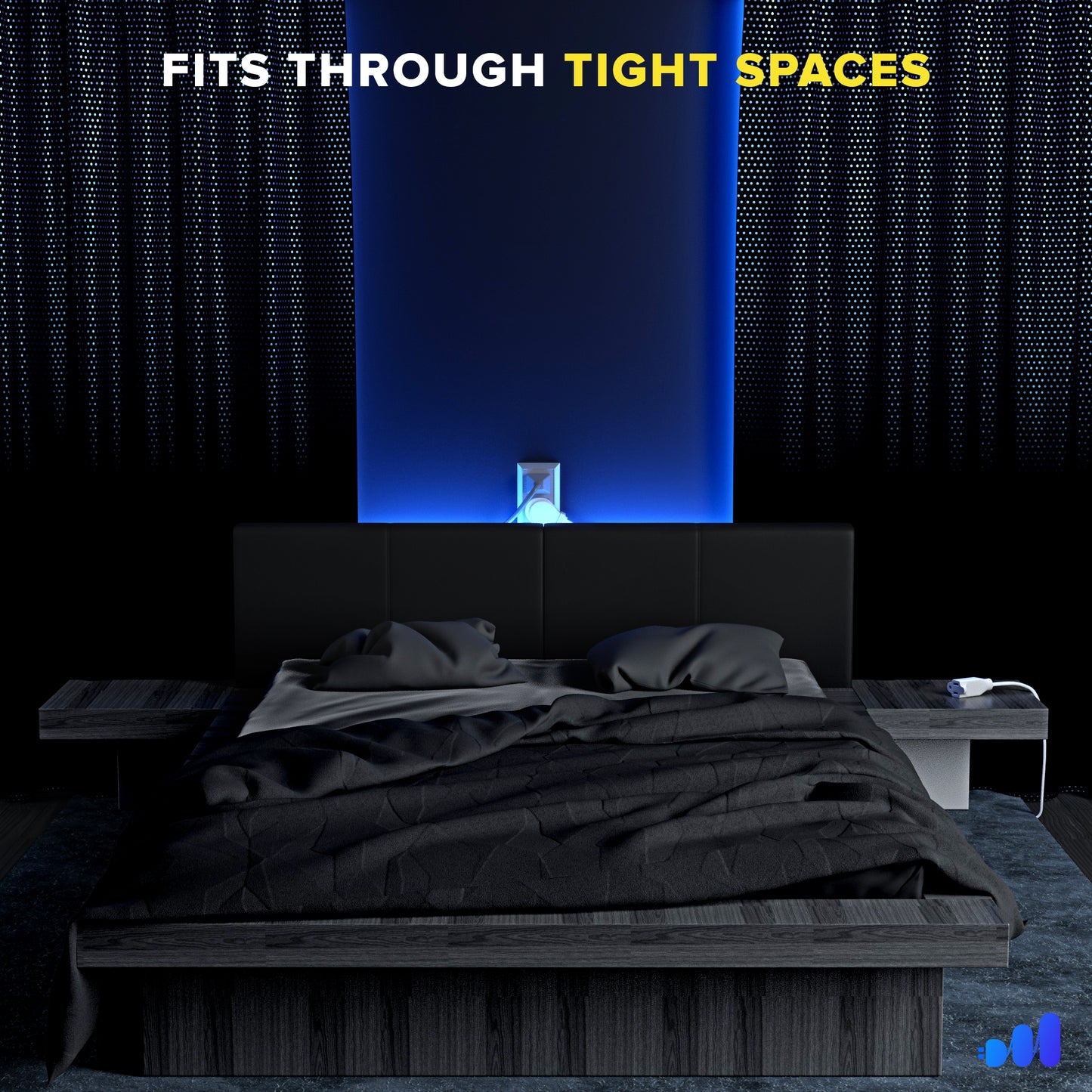
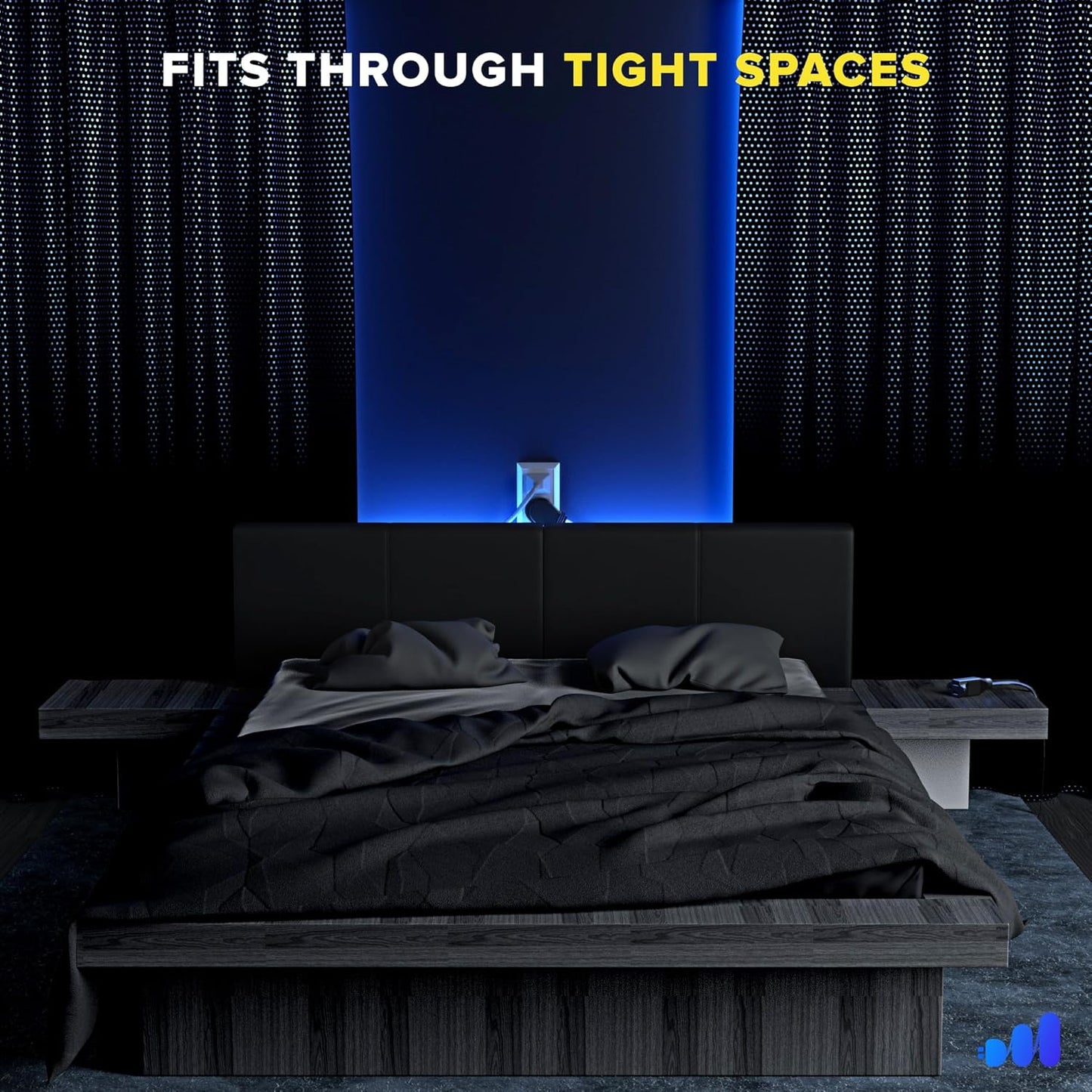
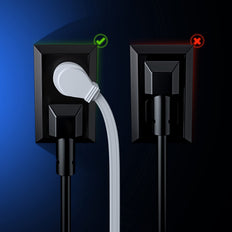
An angled flat plug helps the cord exit at a more natural angle, which can make routing easier in tight spaces. It can also help reduce outlet crowding when space is limited behind furniture or equipment.
Yes. It’s a 3-prong grounded extension cord with a NEMA 5-15P plug and a matching grounded NEMA 5-15R receptacle at the cord end.
It’s rated 13 amps at 125 volts. For safer use, keep the connected load within the cord rating and confirm your device requirements on the device label.
16 AWG is the wire gauge inside the cord. It’s commonly used for everyday indoor power needs such as lighting, electronics, chargers, TVs, and similar devices that stay within the cord’s rating.
NEMA 5-15P is the male 3-prong plug that goes into a standard US wall outlet. NEMA 5-15R is the female 3-prong receptacle where your device plugs in (including the receptacle on the end of this cord).
This model is designed for indoor use. For patios, yards, wet locations, or exterior setups, choose an outdoor-rated extension cord.
Choose the shortest length that reaches comfortably without pulling tight. Short lengths work well behind a TV stand or desk, while longer lengths are better when the outlet is farther away or you need to route around furniture.
Longer runs can increase resistance, which matters more as load increases. When powering higher-draw devices, using the shortest practical length helps support steadier performance.
It’s best to avoid routing any extension cord where it can be pinched, crushed, or covered in a way that traps heat. Route it where it stays protected from sharp edges, heavy furniture pressure, and foot traffic.